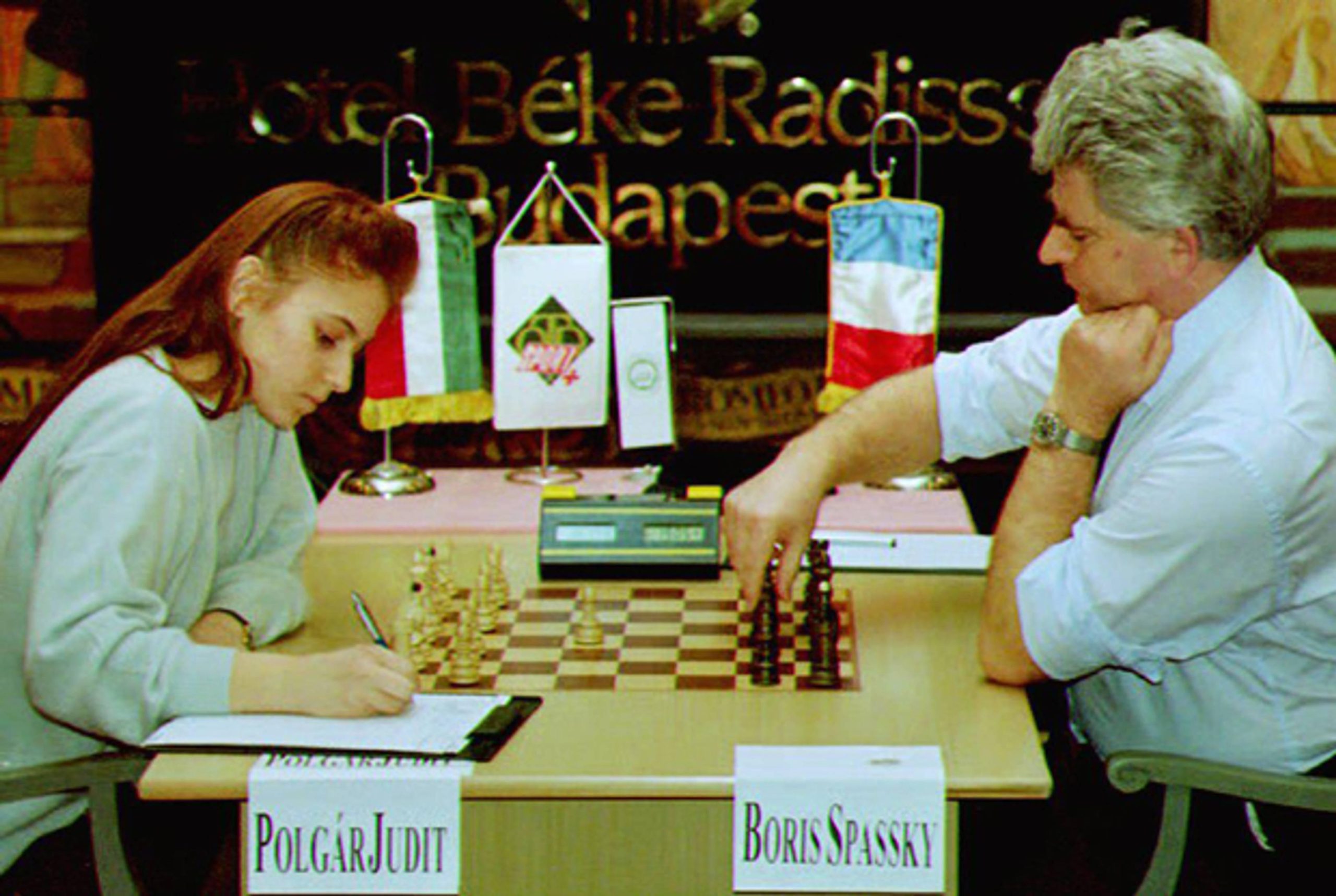
Earlier today on Good Morning America, a new documentary spotlighted the extraordinary life and career of Judit Polgár, widely regarded as the greatest female chess player of all time. The film, Queen of Chess, tells a story that goes far beyond the game itself – one about challenging assumptions, refusing limitations, and redefining what’s possible.
A Story Worth Telling
From a young age, Judit Polgár showed an exceptional talent for chess. But what truly set her apart wasn’t just her ability – it was her decision to compete directly against men at the highest levels of the sport. At a time when women were expected to remain in separate tournaments, Polgár rejected the idea that gender should determine opportunity or potential.
She didn’t want to be the best female player. She wanted to be one of the best players, period.
From Prodigy to Pioneer
The documentary traces Polgár’s rise from child prodigy to international grandmaster, breaking records along the way – including becoming the youngest grandmaster in history at the time, surpassing a record previously held by Bobby Fischer.
Through archival footage and personal interviews, Queen of Chess captures not only her victories, but also the resistance she faced: skepticism, dismissal, and a system slow to accept that a woman could compete – and win – at the very top. Her matches against legends like Garry Kasparov became defining moments, not just in chess history, but in the broader conversation about gender and excellence.
More Than a Chess Documentary
As highlighted during the Good Morning America segment, this film isn’t just for chess fans. It’s about:
- Challenging deeply rooted stereotypes
- Redefining success on one’s own terms
- Refusing to accept ceilings imposed by tradition or bias
Polgár’s story reflects a reality many women recognize – being told, subtly or directly, that certain spaces aren’t meant for them.
Why This Story Resonates Now
This documentary is more than a profile of a chess champion – it’s a reminder of how often women are asked to prove they belong in spaces long defined by men. Judit Polgár didn’t ask for special categories or exceptions. She asked to compete, to be measured by the same standards, and to be taken seriously.
At Me We Too, stories like this resonate because progress doesn’t only come from policies or systems changing – it comes from individuals who refuse to accept limits placed on them. Polgár’s journey mirrors the experiences of countless women who push forward not for applause, but because they believe they deserve to stand where their talent and effort take them.
Her story isn’t just about chess. It’s about courage, persistence, and reshaping expectations – one move at a time.
A Reminder Beyond the Board
Queen of Chess invites us to reflect on how many voices, ideas, and talents have been underestimated — and how much stronger our world becomes when those barriers are challenged.
Sometimes, change doesn’t announce itself loudly. Sometimes, it happens quietly, through focus, resilience, and an unwavering belief in one’s own worth.
And sometimes, it begins with a single move.
Related Me We Too posts:
Does anyone else not get how chess is played?
I enjoyed going to school while young because I wanted to play chess with my classmates.